Open Banking is changing the financial landscape, driving consumer-led innovation and unlocking new opportunities for SMEs.
Getting instant credit with just a click in your bank’s app is quickly becoming the norm across Europe, though most users have no idea why. The answer isn’t a new technology. It’s a regulatory decision. Since 2018, Open Banking has been quietly rewriting the rules of finance in the European Union and the United Kingdom. The idea is straightforward: banks must share your transaction data with authorized Third-Party Providers (TPPs), but only if you say so. That single requirement, consent-based data sharing, opened the door to a wave of more personalized, competitive financial services that traditional banks had little incentive to build on their own. For consumers and small businesses alike, it meant more options, better products, and for the first time, real control over their own financial data.
But opening up the financial system isn’t without friction. Smaller TPPs, in particular, face a real tension: they need access to sensitive data to compete, but they often lack the infrastructure to protect it at the level regulators expect. That gap, between what the regulation demands and what smaller players can realistically deliver, is one of the more underappreciated challenges of the Open Banking model. A unified regulatory framework across the European Economic Area would help. Without it, the same regulation that’s meant to level the playing field can end up favoring whoever has the resources to comply most easily.
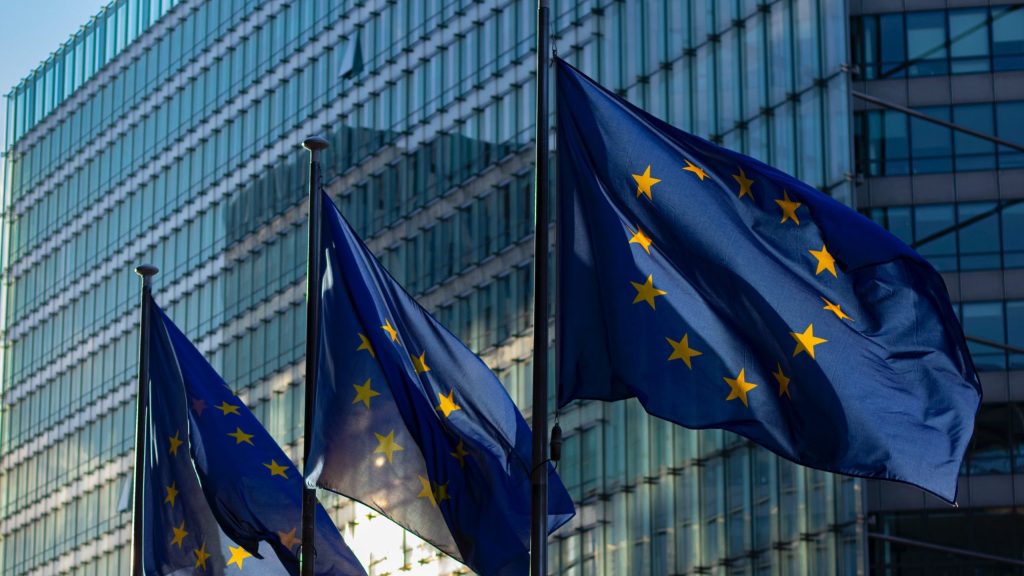
None of this has gone unnoticed outside Europe. The regulatory push led by the European Commission has fundamentally changed what banking looks like across the continent, and it’s raising uncomfortable questions elsewhere. In the United States, where market-driven approaches have long defined financial innovation, Open Banking has no equivalent mandate. That’s worth examining. As financial systems become more interconnected and the pressure to compete globally intensifies, the question isn’t just whether Open Banking works. It’s whether staying on the sidelines is still a viable option.
 Open Finance & Digital Finance Regulation - Natasha Cáceres
Leave a comment