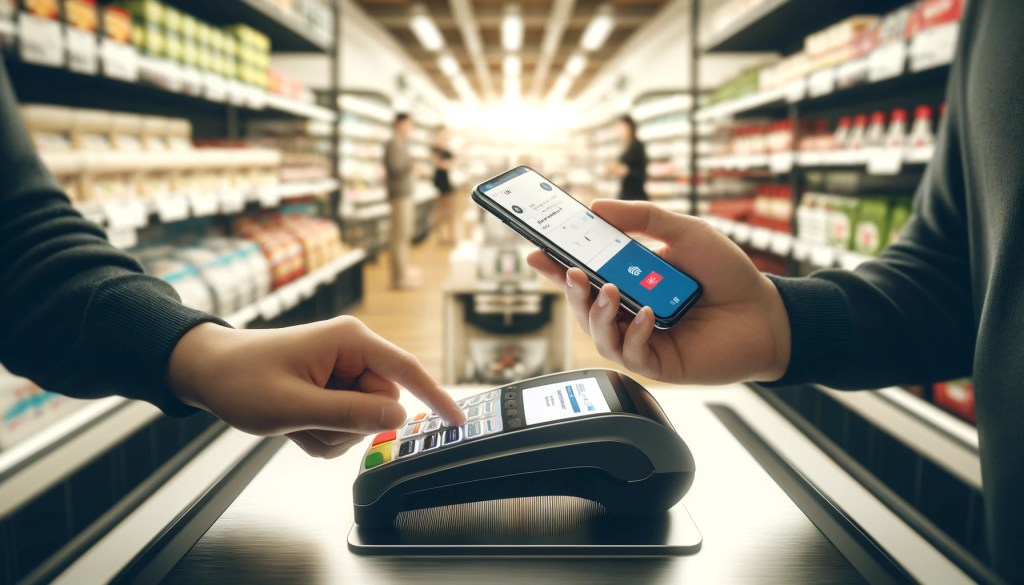
Aware that a market-driven approach would not ensure fair competition between traditional banks and fintechs, the EU introduced PSD2.
For years, the rules of banking were simple: if you controlled the accounts, you controlled everything. Banks decided who could access payment infrastructure, who could see customer data, and who could compete. Fintechs that wanted to offer payment services had to work around that, often using a practice called screen scraping, which meant logging into your bank on your behalf to pull your data. It worked, but it was insecure, unregulated, and entirely dependent on banks tolerating it. The EU decided that was not good enough.
PSD2 was the response. Not because the market was going to fix the problem on its own, but precisely because it wasn’t. The regulation forced banks to open their infrastructure through standardized APIs, giving authorized third parties secure, direct access to payment services and account data. No more workarounds. No more grey areas.
To make that work in practice, PSD2 draws a clear distinction between two types of fintech providers. Payment Initiation Service Providers, or PISPs, can initiate a payment directly from your bank account without ever seeing your credentials or touching your other data. When you shop online and skip the card to pay directly from your bank, that is a PISP at work. Account Information Service Providers, or AISPs, do something different: they aggregate your financial data across multiple accounts and present it in one place, which is useful for budgeting, financial planning, or credit assessment.
The consequence of all this is straightforward. Holding customer accounts no longer guarantees a bank control over the entire financial relationship. For the first time, a fintech with a good product and regulatory approval can compete on equal footing, using the same infrastructure that banks spent decades treating as their private property. That shift did not just change who competes in financial services. It changed what competition in financial services actually means.
 Open Finance & Digital Finance Regulation - Natasha Cáceres
Leave a comment