
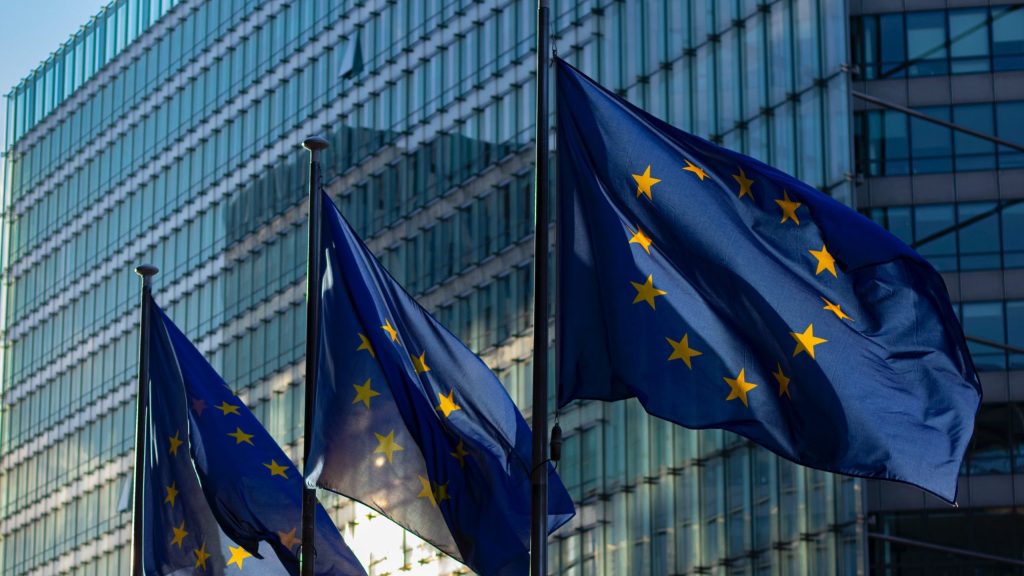
Open Banking is transforming the financial landscape, facilitating consumer-driven innovation and opening opportunities for SME’s.
Getting instant credit with just a click in your bank’s app is becoming the norm in Europe, though many users might not realize why. This shift is largely due to a significant piece of financial legislation: Open Banking. Since its creation in the European Union and the United Kingdom around 2018, Open Banking has set out to revolutionize the financial landscape by democratizing financial services. It mandates that banks share transaction data with authorized Third-Party Providers (TPPs), but only with your consent. This initiative is designed to incentivize innovation and competition, offering both consumers and small businesses (SME’s) access to more personalized financial services. This era of Open Banking doesn’t just benefit consumers; it also signifies a departure from traditional banking practices where banks exclusively controlled every aspect of your financial transactions. Now, with various new startups involved, you’re afforded more choice and control over your financial life.
Yet, embarking on this path introduces its own set of challenges, particularly concerning privacy and security. The necessity for TPPs, especially the small ones, to share sensitive data while maintaining high data protection standards is a significant challenge, given their limited resources. It also underscores the need for stringent security measures and a unified regulatory framework to optimize its benefits and address potential regulatory gaps in the EEA. Despite these challenges, Open Banking marks a pivotal evolution in Fintech.
This regulatory push, pioneered by the European Commission alongside the UK, has transformed banking throughout Europe. As Open Banking keeps prioritizing innovation and building trust among new market entrants, it raises a critical question for the United States – As a leader on the global stage, shouldn’t there be a reconsideration of competition within the financial sector? This question becomes more important as we move towards a world that emphasizes the importance of being open, equitable, and competitive.

 All rights reserved.
Leave a comment