
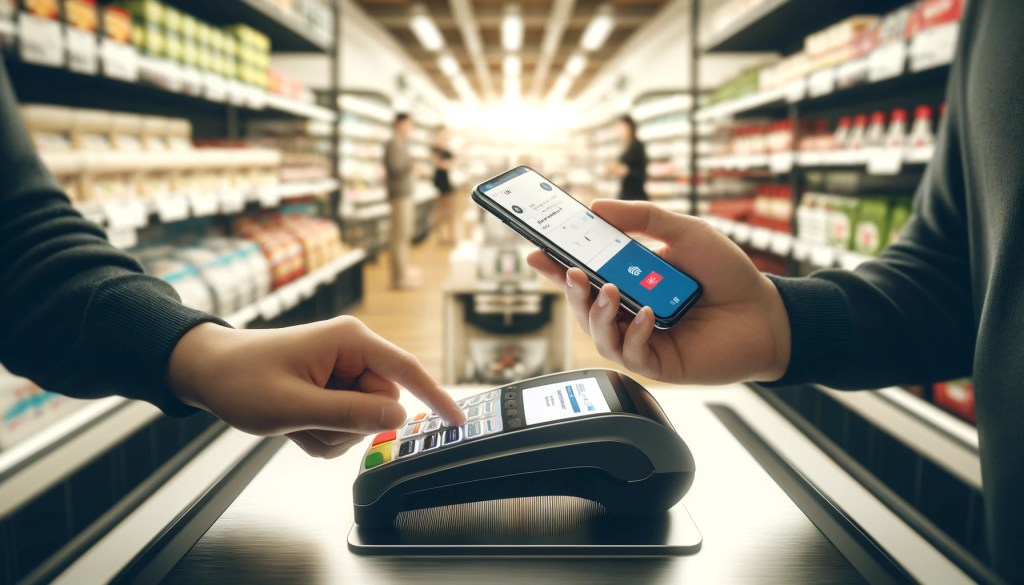
Aware that a market-driven approach would not ensure fair competition between traditional banks and fintechs, the EU introduced PSD2.
In an era where tapping a phone to pay for coffee has become the norm, the rise of mobile payments and digital wallets has reshaped the financial landscape. Nowadays, we prefer these modern payment methods over carrying cash and debit cards. As these methods gain popularity, many companies managing these services have often operated in regulatory grey areas, relying on screen scraping to access your bank account. This practice posed significant security risks and revealed gaps in the financial system. Additionally, the playing field was uneven as banks controlled the infrastructure and access to payment services and customer account data. The European Union, recognizing these technological changes, refused to remain a mere spectator to the rapid developments in payment services. Aware that a market-driven approach would not ensure fair competition between traditional banks and fintechs, the EU introduced PSD2.
PSD2 has transformed banking processes by distinguishing fintechs (TPPs) into two main types based on their specialized services: Payment Initiation Service Providers (PISPs) and Account Information Service Providers (AISPs). For instance, if you’re shopping online and choose to use a PISP due to lower fees, it can securely request direct access to your bank and transfer payment directly to the retailer without needing your bank credentials or viewing other sensitive data. Meanwhile, AISPs can provide you with a consolidated view of all your financial information across multiple accounts, which is beneficial for improving financial management.
Following the introduction of these new service providers, PSD2 mandates that traditional banking companies holding user accounts (ASPS) must provide standardized API access to TPPs. The requirement for banks to open their APIs to TPPs has fundamentally altered the competitive dynamics between traditional banks and innovative fintech firms. Therefore, merely holding user accounts no longer guarantees banks monopoly power over financial processes or information. This restructuring not only levels the playing field but also stimulates innovation in payment services.

 All rights reserved.
Leave a comment